
13 RPA in accounting part of Robotic Process Automation: Management, Technology, Applications De Gruyter books

Implementing RPA in accounting departments leads to significant cost savings, improved accuracy in financial data management, and enhanced workflow efficiency. These advantages collectively streamline operations and reduce the potential for human error. From bookkeeping and invoicing to tax compliance and data reconciliation, RPA can streamline a multitude of accounting processes, enhancing operational efficiency and accuracy. The best candidates for RPA implementation are typically repetitive, high-volume, and time-sensitive tasks that require consistent precision. Accounting robotic process automation (RPA) is transforming how finance departments operate, bringing a robotic accounting new level of efficiency and accuracy to even the most tedious tasks. If you’re ready to ditch the spreadsheets and embrace a smarter way to manage your financial operations, keep reading.
Annual Report

Despite all the advances brought about by robotic accounting, human monitoring is still required in the making of important decisions. Technology cannot replace the knowledge, ethical considerations, industry expertise, and strategic direction that humans provide. Accounts payable involves tracking money owed to vendors or suppliers and making sure that payments are made on schedule. Automation can streamline accounts payable to minimize processing delays and late payments. Automated systems offer a detailed audit trail and instant insight into the company’s cash flow and obligations, allowing for better financial control and decision making. RPA can improve data management across these systems by enforcing business rules to assist in the movement and transformation of data between systems to execute processes, conduct analyses, and generate valuable reports.
Steps for successful RPA implementation
RPA is easily scalable, allowing you to adapt to changing demands and seamlessly integrate with your existing accounting software. This flexibility ensures that your accounting processes can handle increasing transaction volumes and evolving business needs. An accounting firm faced with inconsistent service delivery, outdated technology, recurring staff turnover, high cost, and a rigid solution mode turned to RPA. Using automation, it introduced a cloud technology workflow and improved operational efficiency. Accounting firms are using RPA (alongside technologies such as machine learning and artificial intelligence) in most areas of the business, including their advisory, taxation, and assurance services. Automation can be deployed across a wide range of technology systems, functional areas of the business, and perform a wide range of tasks.
- However, RPA must be teamed with effective operational and procedural safeguards to ensure robots are not tampered with.
- Manual preparation of monthly management and authority reports is time-consuming and prone to errors.
- Adhering to these steps is indispensable if organisations are aiming for sustained efficacy from their robotic accounting systems.
- Implementing robotic process automation (RPA) across industries enhances return on investment and reduces labor costs, thereby improving operational efficiency.
- Robotics and AI have changed this sector by automating these operations, resulting in much shorter audit times.
Buy solutions
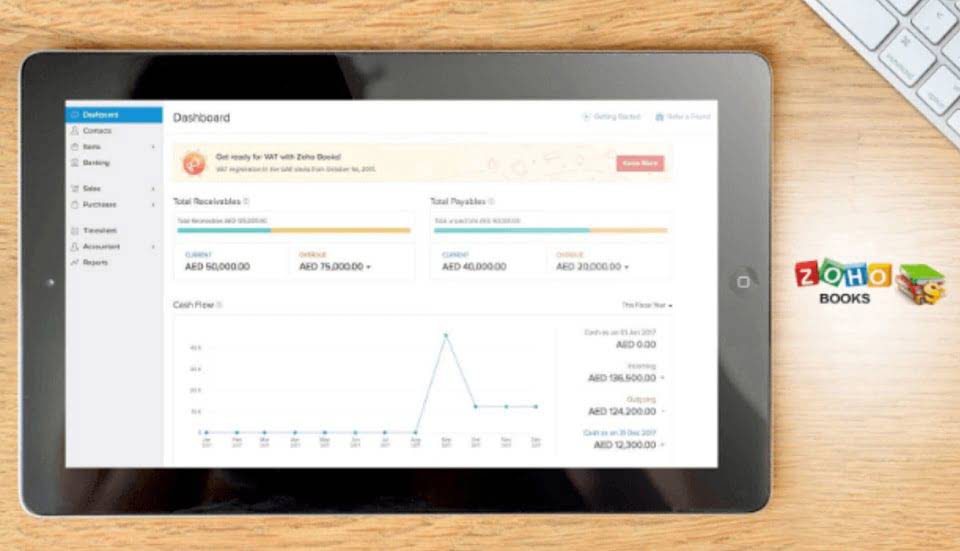
Manual preparation of monthly management and authority reports is time-consuming and prone to errors. Digital Workers can automate data transfer from sub-ledgers to the GL, preparing, approving and posting manual journal entries and analyzing the key financial data at month end for our clients. Automating repetitive tasks from the month end process lead to efficiency and remove bottlenecks. As these technologies expand and mature, adopting robotics and AI will become a necessity for organizations looking to remain relevant and competitive in the fast-changing public accounting sector. Rather than spending time combing through various systems to gather information, RPA bots can be used to accomplish this task in a fraction of the time.
What is Robotic Accounting?: A Complete Guide

By embracing this technology, organizations can streamline their accounting processes, empower their employees, and position themselves for success in the digital age. By automating processes and eliminating manual intervention, the chances of data entry errors or intentional manipulation are greatly reduced. RPA bots can also be programmed to perform regular audits and checks, ensuring compliance with regulatory requirements and internal controls. Before delving into its applications in accounting, it’s important to understand what Robotic Process Automation actually entails. RPA is a technology that uses software robots or “bots” to automate repetitive and rule-based tasks.
Furthermore, RPA bots can be trained to handle exceptions and make decisions based on predefined rules. For example, if a bot encounters an error or an unexpected situation, it can https://bioquinor.com/after-a-business-closes-what-do-we-do-with-company/ be programmed to follow a specific set of instructions to resolve the issue. This flexibility allows RPA to adapt to changing circumstances and handle complex tasks that would otherwise require human intervention. Automation can help enhance and speed it up by scanning, extracting, and analyzing data from invoices, reducing mistakes and freeing up accountants’ bandwidth. Automated systems can also reconcile bills with purchase orders and agreements, assuring accuracy and compliance.
Simplify Tax Preparation and Compliance
The considerable operational cost reductions that come with RPA usage—anywhere from 25% to an impressive 80%—are compelling for financial service firms. Consequently, this leads to an accounting department characterised by heightened efficiency as well as improved strategic flexibility—benefits driven by a refined accounting process inclusive of accounts payable oversight. RPA ensures that every step of the invoice process, from the initial data entry to the final payment reconciliations, adheres to the highest standards of accuracy and efficiency. The systematic approach RPA brings to managing exceptions in invoices ensures that any discrepancies are swiftly identified and resolved, maintaining financial integrity across business operations. At its core, RPA specialises in relieving accountants from monotonous, rule-based activities that historically monopolised their productivity. At its core, RPA represents a seismic shift in how accounting departments operate, seamlessly integrating with existing systems to create a more efficient, accurate, and cost-effective financial landscape.
- Diving into the specifics, invoice management has been particularly revolutionised by RPA.
- The influence of robotic process automation (RPA) on financial reporting and analysis cannot be overstated.
- After every meeting, you have to go into Copilot, click the download button, and go save it somewhere.
- We already have the global reach and local proximity to support your business wherever you need us, helping you to easily scale as business needs change.
For instance, an AI-powered RPA system can analyze historical data to identify patterns in invoice processing, flag potential errors, and even learn to categorize invoices based on their content. This combination of RPA with AI and ML takes automation to the next level, allowing for more complex and insightful financial operations. Robots can enhance compliance and reduce risks by performing tasks in a standardized manner, free of any variation. Where a human might skip a step or be inconsistent in how they process transactions, software robots perform tasks repeatedly. RPA extends across the record-to-report process, automating all of the hundreds of little processes.
In Banking, Financial Services, and Insurance (BFSI), RPA automates repetitive tasks like data entry and compliance checks. Hospitality improves guest service and bookings, while Communications enhances customer interactions. Overall, RPA drives productivity and reduces operational costs across these industries. RPA is a technology that deploys software robots to automate rule-based, repetitive tasks.
- In conclusion, mastering Robotic Process Automation (RPA) in accounting offers numerous benefits, including significant cost savings, improved accuracy, and enhanced workflow efficiency.
- These companies differentiate themselves through agility, offering tailored services that larger firms may overlook due to their scale.
- Purchase order management is critical for managing a company’s purchasing activity and keeping spending within predefined limits.
- Robotic Process Automation is transforming different departments in enterprise-scale companies.
- Within the domain of managing payroll, RPA software shines by streamlining operations that range from pulling data to checking timesheets, thus guaranteeing precise and prompt compensation for all staff members.
- A qualified team manages and monitors the robots 24/7 (the robot, not the data that it’s handling).
Using RPA, enterprise-scale companies can automate manual and error-prone accounting procedures to eliminate human errors from https://www.bookstime.com/ the equation. These time-consuming tasks create bottlenecks and reduce your accountants’ output. You can adopt RPA for accounting automation to eliminate manual work from your workflow. RPA bots can complete tasks 20 times faster than humans, increasing productivity organization-wide. Enterprise-scale companies that operate globally or nationwide comply with several state and federal tax regulations.
